
MISSION TRIP HIGHLIGHT - GUATEMALA
A GUATEMALA REFLECTION
BY BEAU HSIA
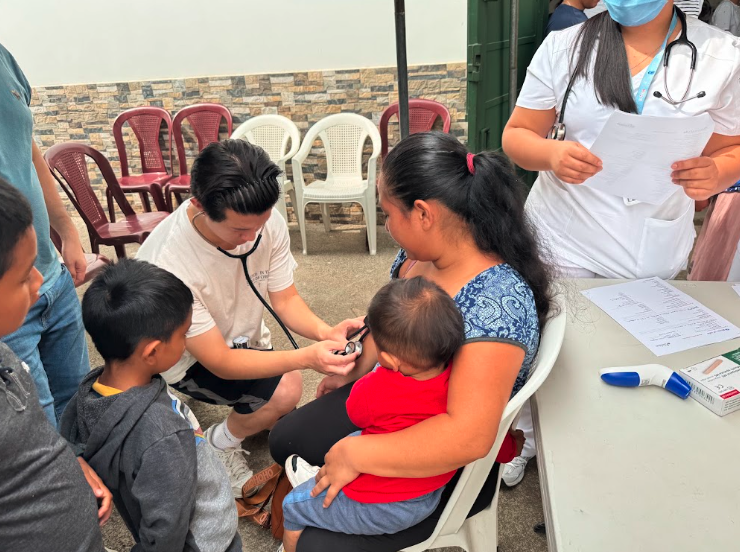
One of the moments that affected me the most emotionally during this Guatemala mission trip was seeing the children from the dangerous red zone worshipping and praising God with all their might despite the difficulties they had experienced. As I watched them enjoy the love and fellowship of one another, I felt myself welling up with tears and fighting to hold them back. Despite their difficult environment, they were holding dearly onto hope and love. In many ways, that was all they had, yet they possessed something deeply meaningful that many people with far more materially do not.
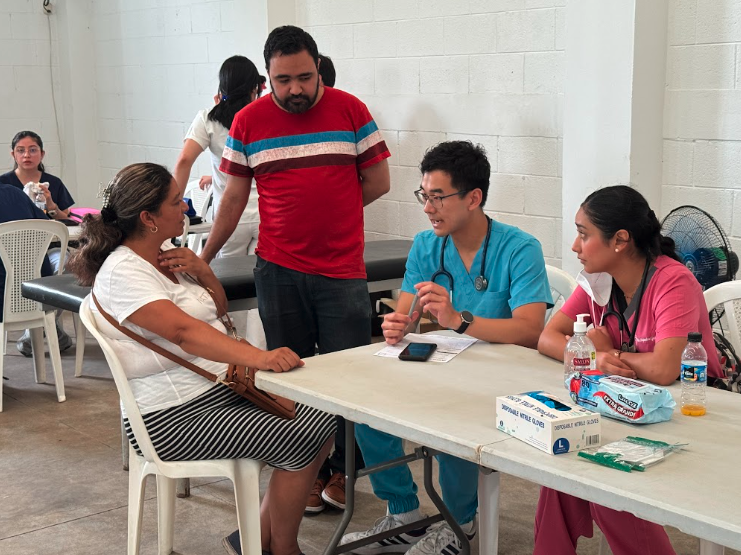
This trip challenged many of my assumptions about medicine, service, and what truly impacts people. I realized that what most deeply touches a person is not primarily technical expertise, but how they are seen and treated interpersonally. In other words, they are moved by how love is shown to them. Technical skill matters, but it is secondary to genuine care. I am reminded of the quote, “People don’t care how much you know until they know how much you care.” I also noticed that in the world’s struggle for power, those with very little often hold onto relationships with even greater urgency and sincerity.
More personally, this trip exposed uncomfortable truths about my own heart. Throughout much of medical school, I believed that mastering knowledge and technical skill would finally make me complete and worthy of respect. I thought that competence and achievement would satisfy the deeper insecurities and identity struggles within me. But I was reminded again that any identity built apart from God will eventually fail to satisfy. A higher degree, greater competence, or worldly success can never replace our need for sanctification, dependence on God, and obedience to His word. We never “graduate” from that, no matter how much we accomplish in life. Superiority in one area does not carry over into holiness, humility, or love.
This experience also reshaped how I think about missions and the kind of physician I want to become. Before this trip, I subconsciously imagined missionary work itself as the destination; i.e., the thing that would finally bring fulfillment and meaning. Instead, I realized that even service and competence can become idols when they take the place of God. I saw how much I had overvalued productivity, efficiency, achievement, and impact while undervaluing love, kindness, gentleness, and interpersonal connection. I also realized that I am deficient in two of the qualities most necessary for effective missions: 1) deep interpersonal love and 2) genuine closeness with God.
At the same time, I encountered the grace of God in a deeper way. I was reminded that God can work through each of us despite our pride, trauma, insecurities, and worldly baggage if we surrender ourselves to Him. Even our ability to surrender is ultimately from God alone. Because of this, my life goals are beginning to change. Previously, I wanted to maximize my impact through knowledge, skill, and hard work. Now I feel convicted to pursue something even more difficult: holiness, humility, obedience, gentleness, reliance on God, and self-mastery through Christ. In many ways, I suspect that achieving genuine Christlikeness is rarer and more difficult than becoming wealthy, prestigious, or academically successful.
The greatest lesson I learned from this trip is the importance of having the right goal. During my four years of medical school, I wanted to become the best and most capable medical student possible in order to make others proud. While that is not inherently wrong, I now realize it is far less valuable than setting my sights on the things of God. If I were to strive to be the best at something, I would now want it to be godliness, love, humility, and Christlikeness. The deepest obedience, the grandest love for people, and the closest walk with God: that is what I hope to pursue for the rest of my life, starting now.
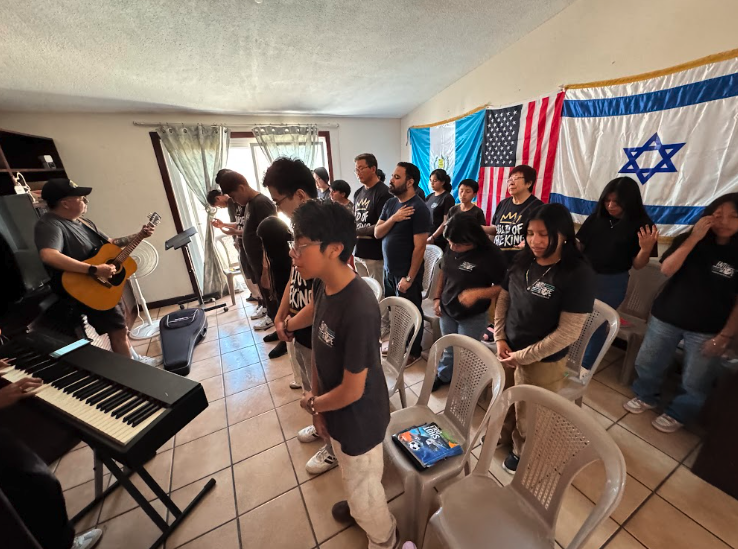
在這次瓜地馬拉傳教之旅中,最讓我感動的一刻是看到來自危險紅色區域的孩子們,儘管經歷了種種困難,仍然竭盡全力地敬拜和讚美上帝。看著他們彼此相愛、彼此扶持,我熱淚盈眶,努力克制著淚水。儘管身處困境,他們依然緊緊抓住希望和愛。在很多方面,這幾乎是他們所擁有的一切,然而,他們卻擁有著許多物質條件遠勝於他們的人所無法企及的、意義深遠的東西。
這次短宣挑戰了我許多關於醫學、服務以及真正能影響人們的事物的固有觀念。我意識到,最能觸動人心的並非技術專長,而是人們如何看待他們、如何對待他們。換句話說,他們被愛所感動。科技固然重要,但真誠的關懷才是最重要的。我想起了那句名言:「人們不會在意你懂多少,直到他們感受到你有多關心他們。」我也注意到,在當今世界權力鬥爭的漩渦中,那些一無所有的人往往更加珍惜和真誠地維繫著彼此的關係。
就我個人而言,這趟旅行讓我看到了自己內心深處一些令人不安的真相。在醫學院的大部分時間裡,我一直認為掌握知識和技術技能最終會讓我變得完整,值得尊敬。我以為能力和成就能夠撫慰我內心深處的不安和身分認同的掙扎。但這趟短宣再次提醒我,任何脫離上帝而建立的身份最終都無法真正滿足我。更高的學位、更強的能力或世俗的成功永遠無法取代我們對成聖、依靠神和順服祂話語的需要。無論我們在人生中取得多少成就,我們都永遠無法「畢業」。在某一領域的卓越並不能轉化為聖潔、謙卑或愛。
這段經歷也重塑了我對宣教的看法,以及我想要成為怎樣的醫生。在這趟旅行之前,我潛意識裡把宣教工作本身想像成最終的歸宿,也就是最終能帶來滿足感和意義的事。然而,我意識到,即使是服務和能力,如果取代了神,也會變成偶像。我意識到自己曾經多麼高估了生產力、效率、成就和影響力,而低估了愛、恩慈、溫柔和人際關係。我也意識到,在有效宣教工作中,我最缺乏的兩項特質是:1)深厚的、人與人之間的愛;2)與上帝真誠的親近。
同時,我也更深的體會到了神的恩典。我想起,如果我們將自己交給神,神就可以透過我們每個人來工作,儘管我們有驕傲、創傷、不安全感和世俗的包袱。甚至我們降服的能力最終也只能來自於神。正因為如此,我的人生目標開始改變。以前,我想透過知識、技能和努力工作來最大限度地發揮我的影響力。現在我覺得有責任去追求更困難的事:聖潔、謙卑、順服、溫柔、依靠神,以及透過基督實現自我控制。在許多方面,我認為真正效法基督比變得富有、享有聲望或在學業上取得成功更為罕見和困難。
我從這次旅行中學到的最大教訓是擁有正確目標的重要性。在醫學院的四年裡,我想成為最優秀、最有能力的醫學生,讓別人感到驕傲。雖然這本質上並沒有錯,但我現在意識到,這遠不如將目光投向神的事來得有價值。如果我一定要努力做到某方面最好,我現在希望做到敬虔、仁愛、謙卑和效法基督。最深的順服,對人最大的愛,與神最親近的同行:這就是我一生所追求的,從現在開始。